.jpg.jpeg)
Pakistan's minerals future: beyond Reko Diq
Reko Diq, PMIF26 and a US$6–8 billion export target. Where Pakistan's mining sector is heading this decade, and what has to change to get there.
Pakistan's mineral wealth has been a talking point for decades.
The difference now is money on the table, named partners and production dates.
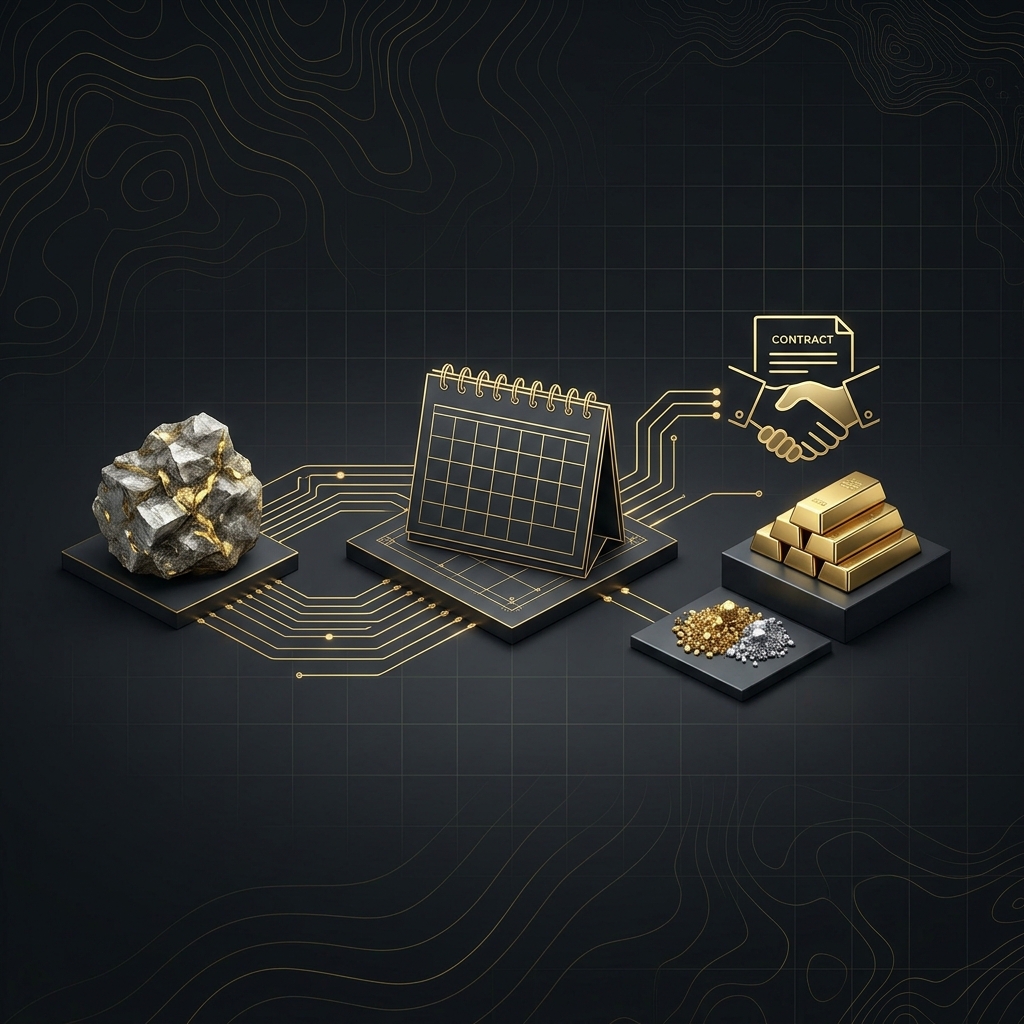
The anchor: Reko Diq
Reko Diq in Chagai is one of the world's largest undeveloped copper-gold deposits. Planned output is about 240,000 tonnes of copper and 297,000 ounces of gold a year, with first production targeted by end-2028. The project secured US$3.5 billion of international financing in October 2025. Two months later the US Export-Import Bank approved US$1.25 billion. First-year exports are projected at around US$2.8 billion.
This week: PMIF26
The Pakistan Minerals Investment Forum runs 12–13 November 2026 at the Jinnah Convention Centre, Islamabad. Last year's edition drew about 5,000 delegates from more than 50 countries and produced 16 MoUs. The theme this time is "Beyond Reko Diq". The government wants investors looking at the rest of the map.
The gap
The numbers are humbling. Mining contributes only 2–3% of GDP. Over 90% of mineral exports leave raw or semi-processed. Only about 40% of the country is geologically mapped.
Officials say mineral exports could reach US$6–8 billion a year this decade through value addition. Closing the gap is the whole game.
What has to happen
in this chapter
- 01
Map the rest
GIS, drones and airborne geophysics across the unmapped 60%, fed into the planned National Mineral Data Centre.
- 02
Process at home
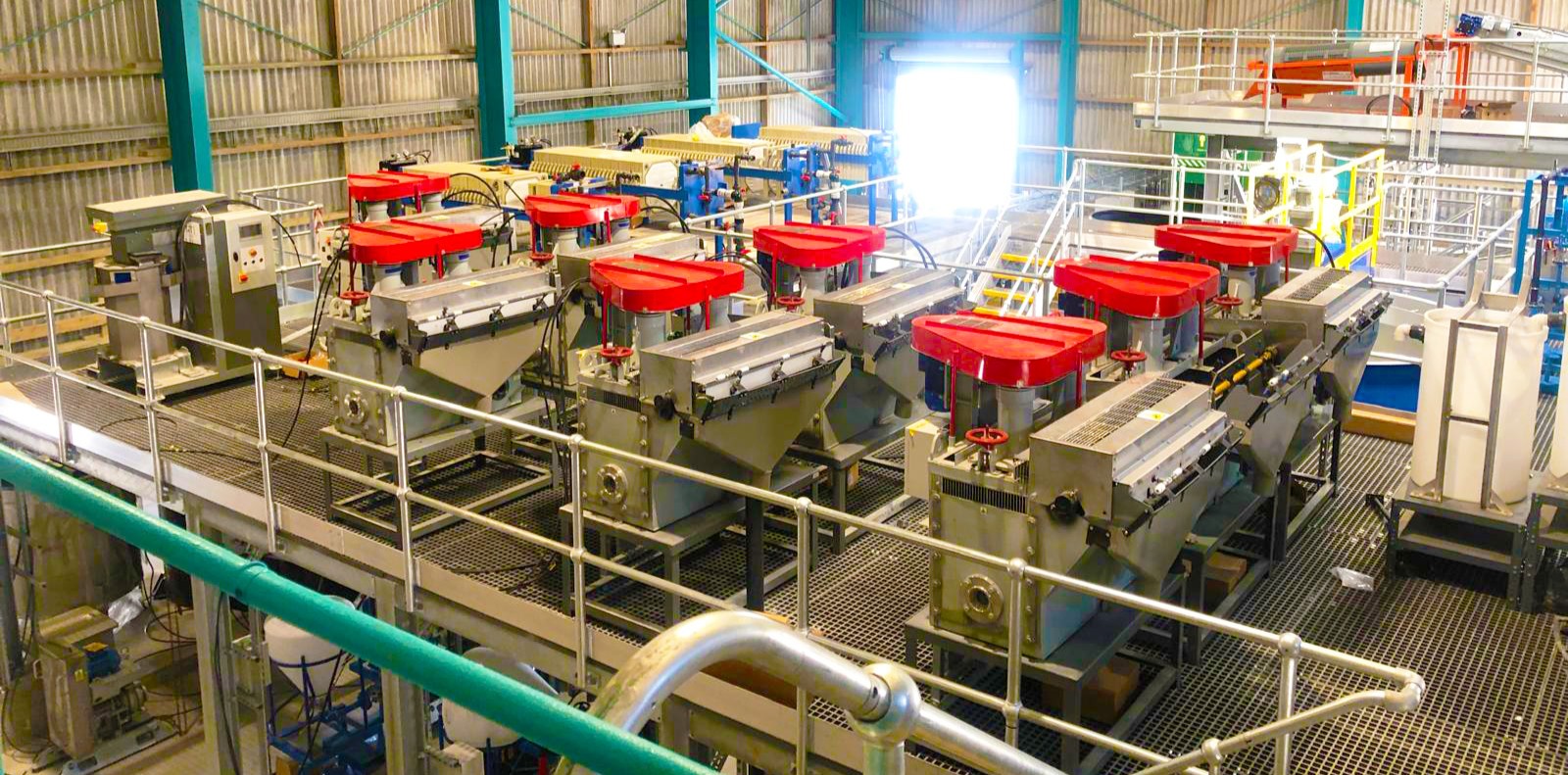
Beneficiation plants, concentrators and smelters, so the value stays in Pakistan.
- 03
Test locally
Bankable metallurgical work and pilot plants run here, not shipped abroad.
- 04
Fix safety and ESG
Global buyers and lenders now check how minerals were mined. Sorange showed how far we still have to go.
- 05
Train people
Geologists, metallurgists, operators, data specialists and safety officers.
- 06
Keep policy and security stable
Investors price risk. Regional conflict has already slowed work on major projects.
Beyond copper
Saindak copper-gold and Duddar lead-zinc in Balochistan. Chiniot iron ore in Punjab. Thar lignite in Sindh. Chromite belts from Muslim Bagh to Zhob, and early lithium and rare-earth prospects. Each needs the same three things: capital, technology and operators who deliver on schedule.

Our view
We've worked in Sindh, Balochistan and KP for years. The geology was never the problem. Execution was. The next ten years will reward companies that map properly, test before they build and run safe sites.
Looking at an opportunity in Pakistan? Talk to an engineer, or become a partner.
Talk to an engineerSources & further reading
Facts and figures in this article are drawn from the publications below.
- 01ARY NewsReko Diq output, PMIF26
- 02Minute MirrorUS EXIM financing
- 03ProPakistaniPMIF25 delegates and MoUs
- 04Business RecorderUS$6–8bn, 90% raw, 40% mapped
- 05The News2–3% of GDP
- 06Express TribunePMIF26 and delays
.jpg)